Understanding Maintenance Fee Increases in Gatineau Pre-Construction Condos
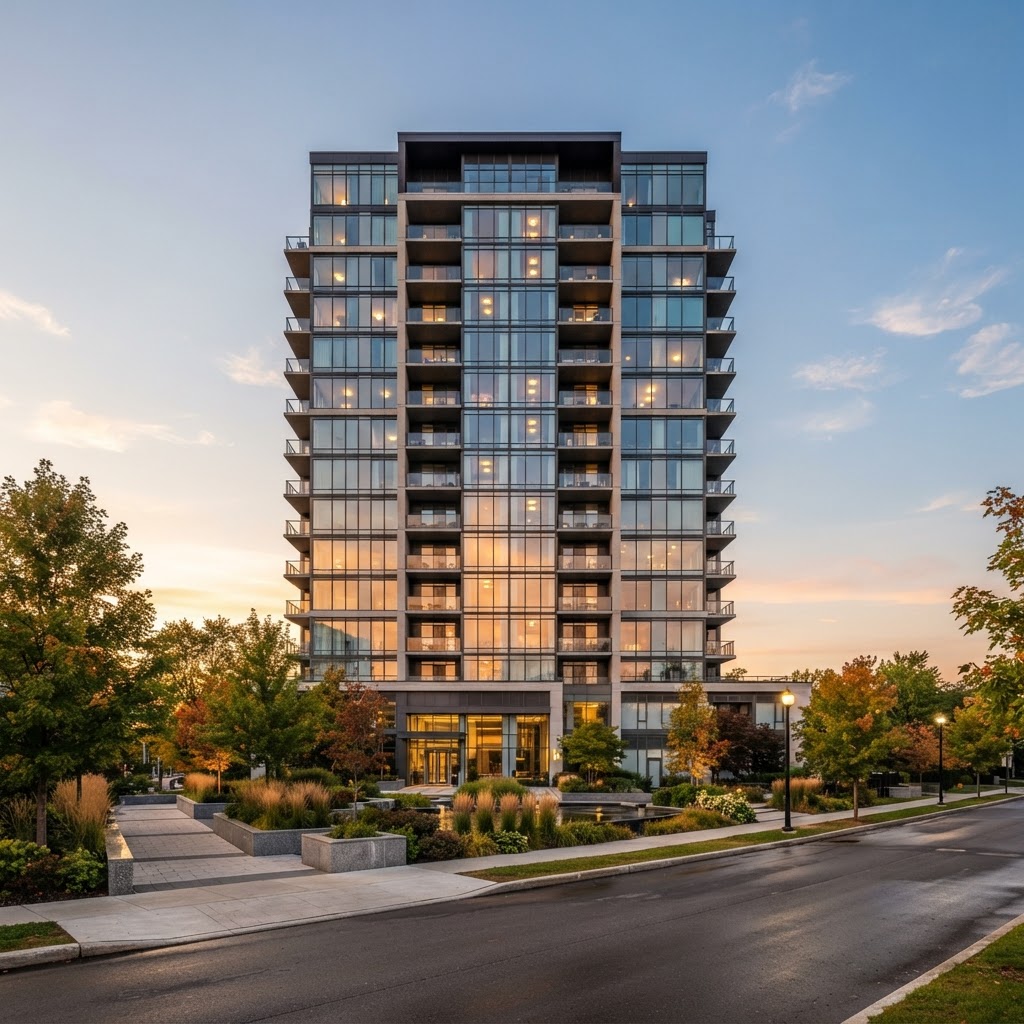
Investing in pre-construction real estate in Gatineau offers a unique entry point into the market, but potential buyers often express concern regarding the adjustment of maintenance fees. It is a common experience for owners to see these monthly costs rise shortly after a building moves from its initial phase to full occupancy. Understanding the mechanics behind these fee structures is essential for maintaining a healthy long-term investment strategy. By evaluating the trajectory of these expenses, investors can better anticipate their budget requirements and ensure their property remains a profitable asset.
The Phase-In Effect of Initial Maintenance Budgets
When a new condo project in Gatineau is first registered, the maintenance fees are based on a budget prepared by the developer and their consultants. During the first year or two, these estimates are calculated to be as competitive as possible to attract buyers. Often, developers may temporarily subsidize certain costs or benefit from new warranties that limit the immediate need for extensive repairs. Because everything in the building is brand new, the mechanical systems and common areas require minimal maintenance, leading to an artificially lean budget that does not necessarily reflect the long-term reality of operating a multi-unit complex.
The Shift to Full Operational Costs
Once the building is fully occupied, the reality of running a large-scale residential asset begins to take hold. Services such as security, landscaping, concierge staffing, and janitorial requirements become permanent line items. If you are browsing through Gatineau projects, you should consider that these operational costs often scale with usage. Additionally, as the building transitions from the developer to the elected condo board, the board may choose to increase the reserve fund contributions to ensure the building is well-prepared for future capital expenditures. This shift from a developer-managed budget to a board-managed budget frequently results in a recalibration of monthly fees to more sustainable levels.
Inflation and Essential Maintenance Requirements
Just like any other sector of the economy, condo corporations are subject to inflation. The cost of labor for building staff, insurance premiums for the structure, and utilities such as heating and water do not remain static. When these external costs rise, the condo board has no choice but to pass these increases on to unit owners. To stay informed on these broader market trends, many investors regularly consult our buying guides to understand how economic factors impact their investment properties. Proactive boards must account for both annual inflation and the inevitable wear and tear of communal infrastructure, which ensures the property maintains its market value over time.
Long-Term Reserve Fund Planning
The reserve fund is perhaps the most critical component of your maintenance fees. According to standard industry practices, all condo corporations must set aside a portion of monthly fees to fund major future repairs, such as roof replacements, elevator modernizations, or exterior facade work. In the first few years of a building’s life, these requirements are estimated. As the building ages, a formal reserve fund study is conducted to refine these requirements. If the study suggests that the building is not saving enough to cover upcoming major replacements, the board is legally obligated to increase monthly fees to ensure the fund remains adequately capitalized.
The bottom line
Maintenance fee increases are a normal part of the property lifecycle, driven by inflation, the transition to full occupancy, and the necessity of robust reserve fund planning for long-term value.