Interim Occupancy vs. Final Closing: A Guide for Markham Condo Buyers
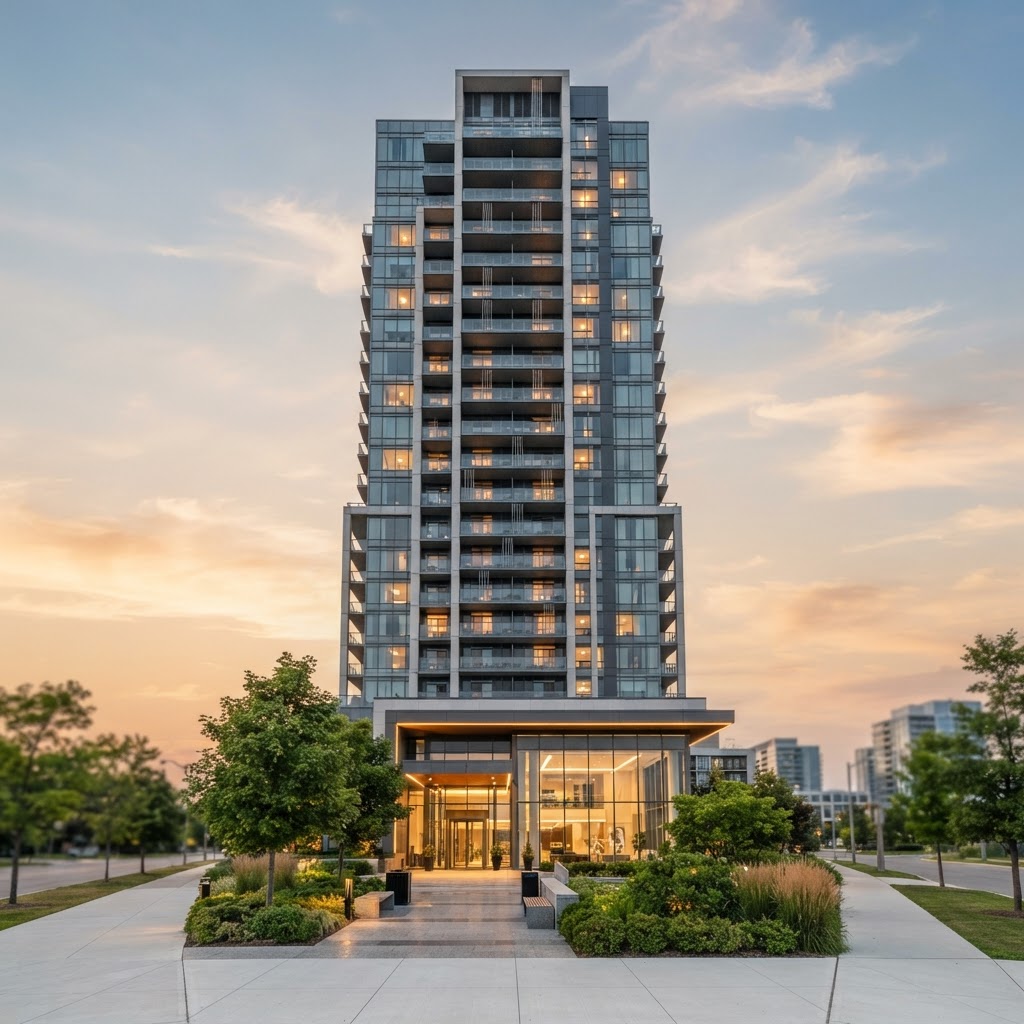
Purchasing a pre-construction condominium in Ontario involves a two-stage closing process that can be confusing for first-time buyers. Unlike a traditional resale purchase where you receive your keys and your mortgage begins on the same day, new developments require you to navigate both interim occupancy and final closing. Understanding how these phases differ is critical for anyone exploring new projects in Markham, as each stage carries specific financial obligations and legal requirements.
Understanding Interim Occupancy
Interim occupancy occurs once your unit is physically ready for you to live in, but the building itself has not yet been registered as a condominium corporation. Because the city has not officially finalized the building paperwork, you do not technically own the title to your unit yet. During this time, you move in and pay the builder an occupancy fee. This fee is comprised of three parts: interest on the unpaid balance of the purchase price, an estimate of common expenses, and an estimate of property taxes. It is essential to note that these payments do not go toward your principal mortgage balance, as your mortgage has not technically commenced.
The Transition to Final Closing
Final closing happens months, or sometimes years, after you have moved into your unit. This stage occurs when the builder officially registers the building with the Land Registry Office. At this point, the title is transferred to you, and your actual mortgage payments begin. All interim occupancy fees stop, and you transition to paying your standard monthly mortgage and finalized condo fees. This period often involves a adjustments statement, which reconciles any differences between the estimated taxes and expenses paid during occupancy and the actual amounts finalized by the municipality. If you are browsing pre-construction developments, always discuss these timelines with your lawyer to ensure you are prepared for both financial milestones.
Key Financial Considerations
Managing your finances during the gap between occupancy and closing requires careful planning. Many buyers mistakenly believe that their mortgage payments start the day they get their keys, but the reality of the interim period means you are effectively paying rent to the builder until the building is registered. Because interest rates can fluctuate during the construction timeline, it is crucial to stay in regular contact with your mortgage broker. Furthermore, you will need to pay Land Transfer Tax upon final closing. Since rules regarding tax rebates and developer adjustments can change, always confirm specific costs with your legal advisor before the final transition date.
Navigating the Process in Markham
Markham has seen significant growth in its residential density, leading to a high volume of new condo projects. When you sign a purchase agreement, the developer will provide an estimated occupancy date. However, construction timelines are subject to change due to weather, supply chain issues, or permit delays. Being prepared for an extended occupancy period is part of the territory when buying new. Before committing to a unit, review the builder's reputation and track record, and consult with professionals who understand the specific municipal requirements of the York Region. Keeping your paperwork organized throughout both phases will ensure a smoother transition to becoming a registered homeowner.
The bottom line
Interim occupancy is your move-in phase where you pay fees to the builder, while final closing is the legal transfer of title that marks the true beginning of your mortgage and ownership.