Pre-Construction Condos in Canada: A Complete Buyer's Guide for 2026
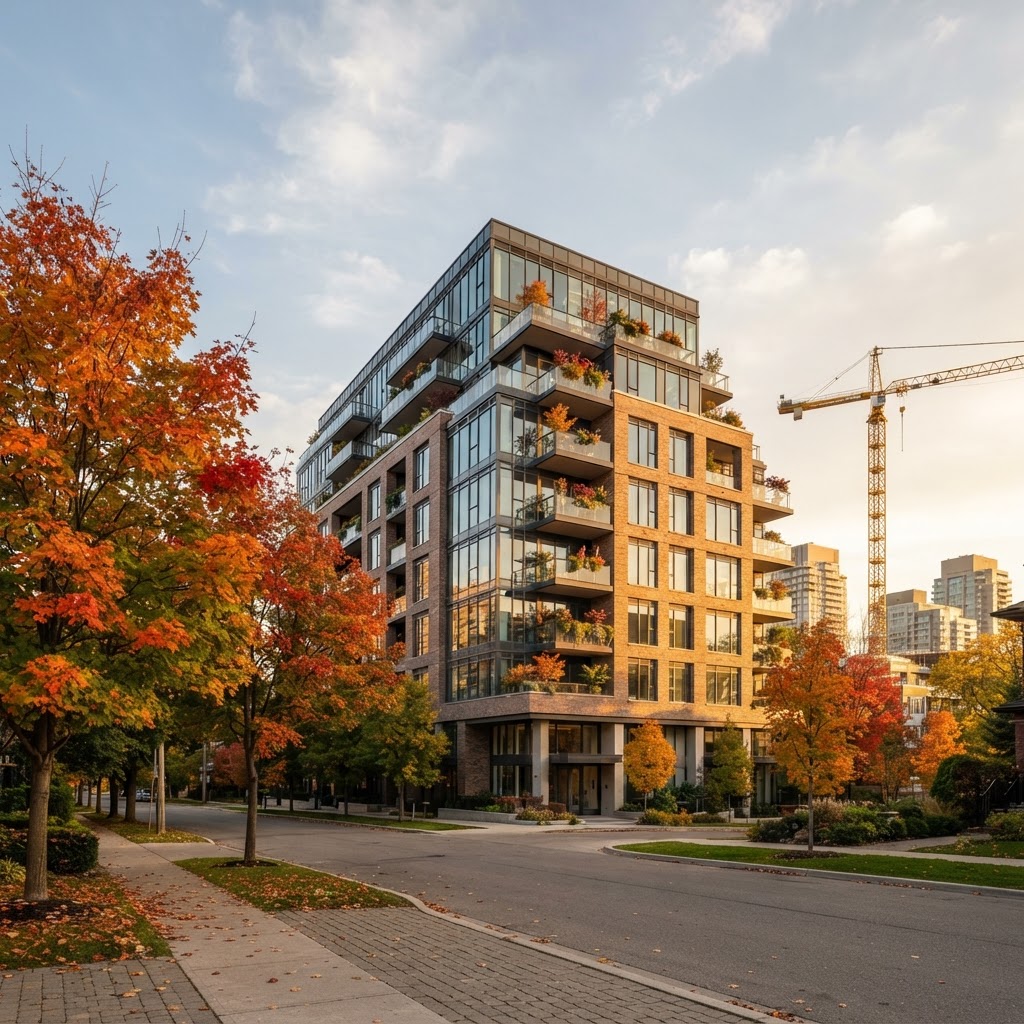
Buying pre-construction is not the same as buying resale. You are not walking through a finished suite — you are buying a set of plans, a deposit schedule and a commitment to a building that does not exist yet. That difference creates both the opportunity and the risk, and it is worth understanding long before you sign anything.
What pre-construction actually means in Canada
A pre-construction development is a residential building that has not yet been completed. Sales typically open in phases. Platinum Access comes first, reserved for a builder's returning purchasers and their registered agents. VIP Sale opens the project to a wider agent network. A public launch follows.
Prices generally rise at each stage, which is the core reason buyers accept the uncertainty of an unbuilt home. The earlier you buy, the lower the entry price — but the longer you wait for occupancy.
Most major Canadian markets are active right now. You can browse the full pre-construction developments directory or narrow it down by city, such as Toronto, Vancouver or Calgary.
The deposit schedule is the real cost
Ontario projects commonly ask for a deposit structure spread over roughly a year — for example, $5,000 on signing, then five percent at 30 days, five percent at 90 days, five percent at 180 days and five percent on occupancy. Total deposits in the 15 to 20 percent range are typical, though structures vary widely by builder and market.
Two things matter more than the headline number:
- The timing. A deposit spread over 18 months is far easier to fund than the same amount in three months.
- Where the money sits. In Ontario, deposits are held in trust. Confirm the arrangement in your agreement of purchase and sale rather than assuming.
Closing costs that arrive later
Pre-construction buyers pay closing costs at occupancy, not at signing — often two or three years after the decision was made. Budget for:
- Land transfer tax, plus the additional municipal tax if you are buying in Toronto.
- Development levies and education levies, which some builders cap and others pass through in full.
- HST, typically included in the purchase price for a new home, but worth confirming in writing.
- Utility connection, meter and Tarion enrolment fees.
These can add several percent to your total cost. Running the numbers at the outset is the only way to compare two projects honestly.
What to check before you sign
Work through the developer's track record first — you can review builders and their completed work in our developer directory. Then read the disclosure documents and the tariff schedule line by line, and have a real estate lawyer who regularly handles pre-construction review the agreement before the cooling-off period expires.
Finally, be realistic about the timeline. A project that completes in 2028 is a 2028 purchase, whatever the market does in between. Buy because the location and the unit suit you, not because you are certain about next year's prices.